

Modern desk work is a relentless test of cognitive endurance. Yet millions of professionals spend every workday battling chronic pain, energy crashes, and fragmented focus—with no clear blueprint for relief. To uncover what today’s IT workday truly demands—and how to overcome its hidden costs—ChairsFX surveyed 200 U.S.-based full-time IT professionals (half remote and half on-site). By mapping how they sit, move, focus, and experience discomfort, this study reveals data-backed strategies for improving both workplace performance and long-term physical wellness.

- The Environment Split: Remote roles face greater challenges with daily cognitive focus, while on-site environments drive higher rates of workday fatigue.
- The Shared Crisis: Workspace location offers no protection against physical strain; the overwhelming majority of both cohorts battle weekly chronic pain.
- The Solution: True relief requires physical movement and active conditioning—relying on premium ergonomic seating alone will not fix postural breakdown.
- The Blueprint: These insights mirror the performance optimization templates used to keep elite esports athletes and cognitive competitors at their physical and mental peak.
Data collection was conducted through the CloudConnect Platform, whose multi-layer Sentry Protocol ensures respondent authenticity (see methodology).
The 200 respondents reflect a broad cross-section of full-time IT roles, including system administration, software development, IT support, network operations, cybersecurity, and data functions.
Our survey also found that the majority in both groups report less than 4 hours of focused work per day. Notably, this is consistent with a Vouchercloud survey of 1,989 UK office workers(1), which found self-reported productive time averaged 2 hours and 53 minutes a day.

Thus, the actionable insights revealed in our data lean toward reducing pain and boosting energy levels, rather than trying to artificially force more productive hours out of the day.
Key Survey Findings
With an estimated 5 million IT workers(2) in the U.S., a sample of 200 cannot be treated as statistically representative of the full population — but the percentages do point to trends consistent with larger studies.
Pain, Productivity, and Fatigue
The majority of both groups suffer from chronic pain while working, which is linked to reduced problem-solving performance(3).

Our survey numbers also reveal a paradox. Remote IT workers report lower day-to-day focus, despite sitting more than on-site workers.
However, remote workers retain significantly more energy to enjoy life after hours, while on-site workers are more often worn out by day’s end.
These findings echo patterns identified in larger studies, each pointing to a different underlying cause.
| Survey finding | Survey numbers | Supporting research |
| Remote workers sit longer but report lower daily focus | 49.5% of remote workers sit 8+ hours per day, vs 29% of on-site workers. However, remote workers report significantly fewer focused hours of work per day than on-site workers. | Research suggests cross-domain domestic interruptions (e.g., household tasks, family) while working at home can disrupt cognitive focus and make it harder to resume complex IT tasks(4). |
| On-site IT workers experience higher workday fatigue | Remote: 39.6% finish work fatigued (scored 1-2 on a 5-point energy scale), while 60.4% retain energy for post-work activities (scored 3-5).
On-site: 51% finish work fatigued (scored 1-2), while 49% retain energy for post-work activities (scored 3-5). |
Research shows that high-frequency professional interruptions (e.g., shoulder-taps, unscheduled meetings) are among the most common stressors for office-based information workers, who spend substantial time managing these disruptions, incurring cognitive “recovery costs” that can compound into fatigue by day’s end.(5) |
| The majority of both groups suffer chronic pain despite high exercise rates | 69.3% of remote and 76% of on-site workers report weekly pain (rated 5/10+), despite the majority of both groups getting 3-5+ days of moderate-to-vigorous exercise per week. Additionally, ~60% of both groups use non-ergonomic seating. | A controlled study had 20 participants undertake two hours of computer work. It found that discomfort increased significantly across the body — reaching clinically meaningful levels in the low back and hip/thigh/buttock areas — while creative problem-solving errors increased, though sustained attention did not change. The study found a significant moderate correlation between total body discomfort and cognitive function errors(3). |
Remote vs On-Site Distractions
A possible explanation for the remote vs on-site productivity paradox comes from a study of 190 Japanese pharmaceutical-company employees working various degrees of hybrid hours(6).

The “high teleworking” group worked fewer than 2 days in-office per week; the “low teleworking” group worked on-site more than 4 days per week.
Remote Distraction: Hazy Working Boundaries
The study found that high-teleworking (remote) employees’ stress was primarily driven by behavioral patterns that emerge without clear workplace boundaries.

Without the natural guardrails of an office, a lack of structured self-discipline often leads to skipping necessary breaks or sitting idly for longer, uninterrupted blocks of time.
Onsite Distraction: Commuting and Cognitively Taxing Protocols
Among low-teleworking (primarily on-site) employees, stress was predominantly driven by rigid work schedules and other environmental factors tied to the on-site routine.

In support of this that finding, a South Korean study of 28,804 workers found that 1-hour commutes was linked to sleep issues, which in turn caused various health problems and a reduction in work productivity(7).
Pain Causes Fatigue
As a sub-study, we drilled down to the 55 respondents (27.5% of the sample) who reported zero weekly pain — 30.7% of remote workers (~31 of 100) and 24% of on-site workers (24 of 100).
Within the sub-group, pain status, not work location, is the clearest predictor of how energized desk workers feel by the end of the day.
| Energy Level (End of Workday) | Remote Pain-Free | On-site Pain-Free | Remote Pain | On-site Pain |
| Low (1-2) | 25.81% | 29.17% | 45.71% | 57.89% |
| Moderate-High (3-5) | 74.19% | 70.83% | 54.29% | 42.11% |
Roughly seven in ten pain-free workers report moderate-to-high energy after work, regardless of whether they’re remote or on-site.
This consistency suggests that pain itself (rather than commuting or home distractions) is the dominant drain on daily energy reserves. The gap is most pronounced on-site, where pain sufferers are nearly twice as likely to report low energy (57.89%) as their pain-free peers (29.17%).
This tracks with two documented mechanisms. One study(8) found that experimentally induced pain raises resting energy expenditure by nearly 62%. Another(9) found that pain severity predicts later fatigue, not the reverse, suggesting the physical and psychological effort of coping with persistent pain depletes energy reserves over time.
Exercise and Pain-Free Status
Among remote workers, exercise frequency shows the sharpest behavioral split: pain sufferers are five times more likely to get zero weekly exercise, while pain-free workers are three times more likely to exercise 5+ days a week.
| Exercise (Remote) | Pain-Free | Pain Sufferers |
| 0 days | 3.96% | 21.43% |
| 5+ days | 34.65% | 11.43% |
This is the clearest pattern separating pain-free workers from the rest. It’s supported by a systematic review of randomized controlled trials (the gold standard for establishing causal relationships)(10).
The review found that exercise consistently reduced self-reported pain across studies. Physical exercise, in various modalities (Tai Chi, stationary cycling, strengthening exercises), led to a decrease in perceived chronic pain intensity in multiple included RCTs.
The review concludes that physical exercise could be an effective intervention for reducing pain perception in patients with non-oncological musculoskeletal chronic pain as a low-cost, accessible strategy.
The Impact of Ergonomic Seating
While remote and on-site workers face different daily distractions, they share a similar burden of chronic pain: 69.3% of remote and 76% of on-site workers report weekly pain rated 5/10 or higher. Yet across our full dataset, ergonomic chair usage shows only marginal influence on whether a worker experiences pain.

The starkest example: among pain-free on-site workers, 75% use non-ergonomic seating, the highest rate of non-ergonomic chair use in any group we surveyed, including pain sufferers.
| Group | Remote (Non-Ergonomic) | On-Site (Non-Ergonomic) |
| Full sample | 60.4% | 59% |
| Pain sufferers | 61.43% | 53.95% |
| Pain-free | 58.06% | 75% |
Among the full sample, the gap between remote and on-site non-ergonomic chair use is minimal (60.4% vs. 59%), and among pain sufferers specifically, it’s on-site workers who lean slightly more ergonomic, not less (53.95% vs. 61.43% non-ergonomic).
The minimal impact of ergonomic seating is supported by research. A systematic review of 14 studies found only low-to-very-low-quality evidence that any specific chair type reduces back pain or discomfort, concluding that chair changes alone aren’t a recommended fix, regardless of how ‘ergonomic’ the chair is.(11)
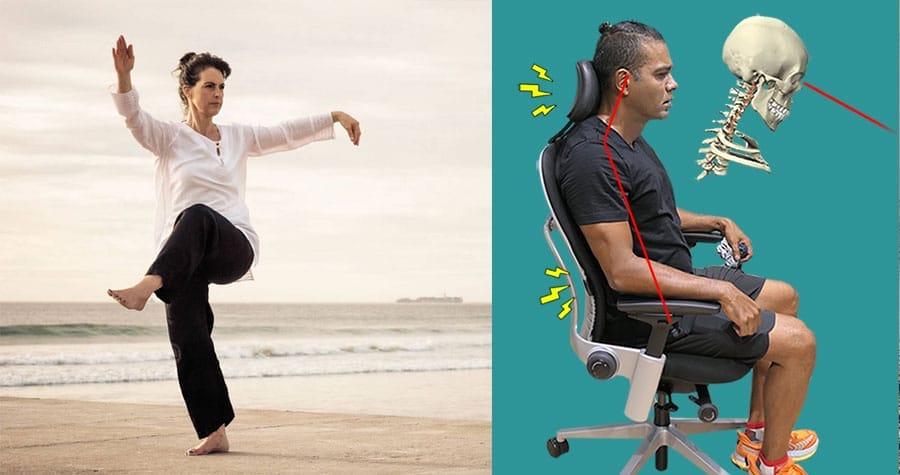
Even when chairs do offer helpful features, people often don’t use them: one biomechanical study found that participants given an active chair with adjustable, movement-enabling components largely ignored those features when no specific guidance or training was provided.(12)
Related: Are Ergonomic Chairs Good for Your Back? Yes… But Also No.
The Model Zero-Pain Desk Worker
To understand exactly how elite habits outweigh equipment, we isolated the 55 respondents in our study who reported zero weekly pain. The model pain-free worker behaves remarkably like an athlete managing physical load.
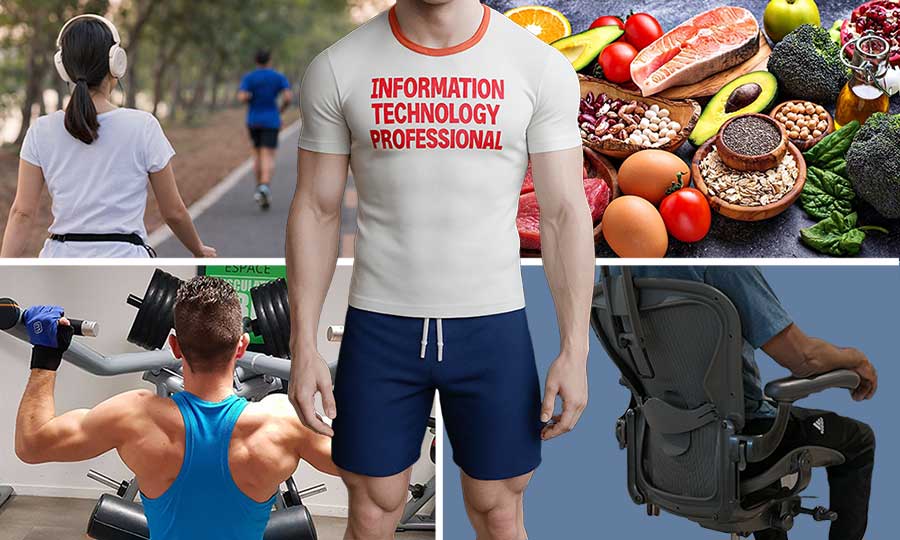
They don’t remain pain-free because of expensive furniture; they remain pain-free because their movement intervals and physical conditioning build active protection against the physical stress of sitting.
When we contrast their daily habits against those trapped in a cycle of chronic strain, a definitive blueprint for desk optimization emerges.
| Performance Dimension | The Model Pain-Free Worker | The Chronic Pain Sufferer | The Optimization Insight |
|---|---|---|---|
| End-of-Day Energy | 71%–74% retain moderate-to-high energy reserves after hours. | 58% of on-site workers finish the day completely exhausted. | Pain—not your job location—is the single biggest drain on daily vitality. |
| Exercise Frequency | 34.65% engage in vigorous exercise 5+ days per week. | 21.43% get zero physical activity (5x higher sedentary rate). | Regular fitness builds the muscular “armor” needed to resist postural breakdown. |
| Intermittent Movement | 34.7% take 5+ walking breaks throughout the workday. | Rarely break up long sitting blocks; higher risk of static tissue loading. | Frequent micro-movements distribute spinal load and prevent deep muscle fatigue. |
| Seating Equipment | 75% of on-site pain-free staff use basic, non-ergonomic chairs. | Lean slightly more toward ergonomic chairs (up to 46% use them), yet remain in pain. | A chair cannot create health; personal tissue capacity and movement habits outweigh the furniture. |
Summary of Key Survey Findings
Our survey measured key aspects of the modern IT workday, revealing a workforce that is largely in pain, chronically fatigued, and only minimally productive.
Important: The survey’s ±7% margin of error means each percentage below should be read as a population estimate. In other words, the “true” value among the broader U.S. IT workforce is statistically expected to fall within seven percentage points above or below the figure shown.
| Metric | Remote % | On-site % |
| Sit 8+ hours/day | 49.5% | 29.0% |
| No pain suffered during work | 30.7% | 24% |
| Distracting pain 1–5 days/week | 69.3% | 76% |
| Walking breaks 5+ times/day | 34.7% | 18.0% |
| Walking breaks 0 | 8.9% | 4.0% |
| No exercise per week | 21.8% | 10.0% |
| Exercise 30+ min 3-5+ days per week | 51% | 54% |
| 4 or less focused hours of work per day | 65.7% | 57.0% |
| 5+ focused hours of work per day | 34.0% | 43.0% |
| Use basic, non-ergonomic seating | 60.4% | 59% |
| Chair value < $300 | 63.4% | 51.0% |
| Chair value > $1000 (Herman Miller, etc) | 10.89% | 4.00% |
| Chair self-paid | 85.2% | 21.0% |
| Standard-issue office chair provided by the company | 9.9% | 72.0% |
Notable statistics (factoring in the ±7% margin of error):
- Remote sitting time (49.5% among remote workers) can be interpreted as meaning the true population value likely falls somewhere between ~42% and ~56% of remote IT workers sitting 8+ hours per day.
- Chronic pain prevalence (69.3% of remote workers and 76% of on-site workers) indicates that the majority experience work-disrupting pain 1–5 days per week — a pattern consistent with chronic strain that is likely to accumulate and worsen over time.
- Walking breaks differ sharply by environment: 34.7% of remote workers take 5+ walking breaks per day, nearly double the rate of on-site workers (18%), suggesting remote roles allow more natural opportunities for movement.
- Use basic, non-ergonomic seating: roughly 60% of both remote and on-site workers rely on basic, non-ergonomic chairs. This indicates that poor seating is a widespread issue across both work environments.
- Chair self-paid (85.2% among remote workers) suggests that, even accounting for the margin of error, a large majority of remote workers (between ~78% and ~92%) are paying for their own chair.
- High-end chair ownership (10.89% among remote workers) translates to ~4% to ~18% in the wider population. Even with this range, remote workers appear more likely than on-site workers to buy premium ergonomic seating.
Methodology & Statistical Reliability
To understand how reliably these results reflect broader trends, you can contextualize the sample against the estimated 5 million IT workers in the United States(2). With a survey sample size of n = 200, a 95% confidence margin of error can be calculated as follows:
Standard formula (worst-case p = 0.5):
MOE = 1.96 × √(0.25 / 200)
= 1.96 × 0.03536
≈ ±6.9%
Finite population correction: with a population of 5,000,000, the correction factor is effectively 1.0, so the margin of error remains ±7%.
- Remote vs on-site workers comparison relevance: differences greater than seven percentage points between remote and on-site respondents can be interpreted as meaningfully distinct within a 95% confidence interval.
- Individual statistic relevance: the same ±7% threshold applies when evaluating individual findings—sitting time, break habits, pain levels, focus, or ergonomic investment—against the larger U.S. IT workforce.
While no single survey can perfectly represent all 5 million IT workers, a rigorously verified and balanced sample of this size offers strong directional insight into real workplace patterns.
- Anil Ramsey. ‘Habits Over Hardware: What Our Remote vs. On-Site IT Worker Survey Reveals’. ChairsFX, June 2026. https://chairsfx.com/trends/remote-vs-on-site-deskwork-study/.
Esports Paradigm: Fitness & Movement Focus
Taken together, our survey data points to a clear conclusion for desk worker optimization: regular exercise and pain reduction are the most actionable levers for boosting daily cognitive endurance.
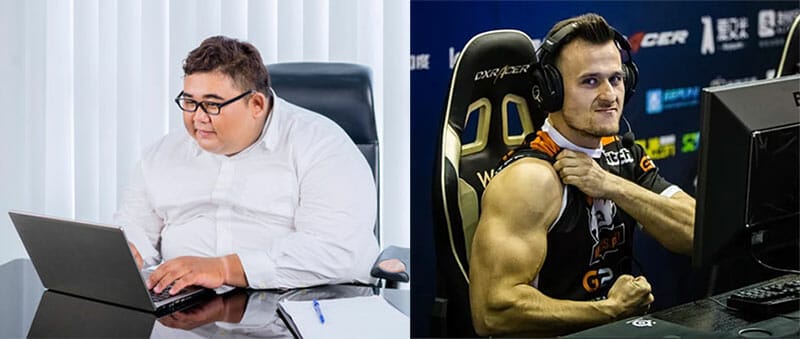
At the same time, the data reveals that relying solely on an ergonomic chair offers minimal protection against chronic strain. This reality closely mirrors the modern performance formula in professional esports.
Two esports doctors advising ChairsFX reinforce the conclusion that healthy habits have a greater impact than a chair alone.
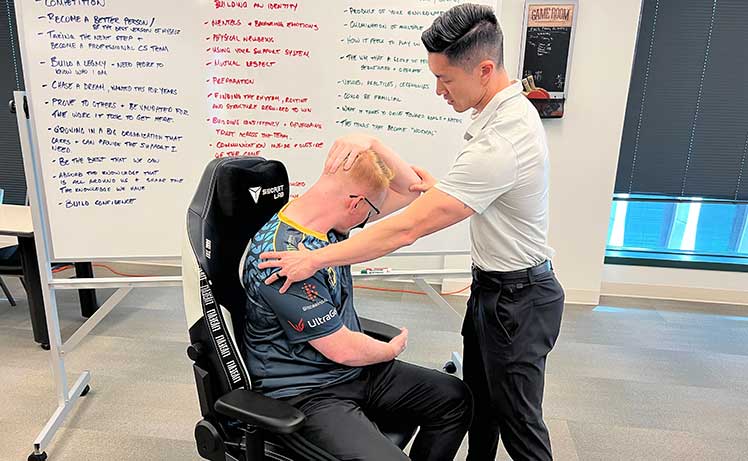
Dr. Jordan Tsai has done wellness consulting for Cloud9, TSM, Evil Geniuses, 100 Thieves, and London Spitfire. His advice:

William Duncan runs Southeast Physical Therapy near Atlanta, Georgia as a Doctor of Physical Therapy. His advice for ChairsFX readers:
To maintain peak focus and prevent injury, pro teams treat their players like tactical athletes. A good ergonomic chair is just one part of the equation.
Esports Performance Pillars
In pro esports, peak performance depends on sustained attention, reaction speed, decision-making, and emotional control. Research increasingly shows these cognitive capacities are heavily influenced by sleep, fitness, recovery, and physical health. Key evidence includes:
- Cardio and accuracy: A six-week randomized controlled trial found that high-intensity interval training (HIIT) significantly improved reaction time, decision-making, working memory, aiming accuracy, tracking ability, and sleep quality among competitive first-person shooter gamers. Furthermore, gains in aerobic fitness directly correlated with faster reaction times(13).
- Conditioning and brain health: A 10-week exercise intervention involving elite esports players produced significant improvements in executive function, cerebral blood flow dynamics, and autonomic nervous system regulation, suggesting that physical conditioning directly enhances cognitive performance relevant to competitive gaming(14).
- The cost of poor sleep: Research on professional esports athletes found that poor sleep quality was associated with worse mood states, greater fatigue, and poorer psychological well-being, leading researchers to recommend sleep-focused interventions as a core performance strategy(15).
- Recovery as a mental tool: A sleep coaching intervention with professional esports athletes improved sleep quality and produced measurable gains in cognitive performance, demonstrating that recovery practices directly influence mental sharpess(16).
- Activity levels of elite players: A systematic review of 12 studies involving 4,986 participants(17) found that players spent an average of 320 minutes per day in sedentary activities. However, 84.53% were still categorized as highly active, with high-level players averaging 1.08 hours of daily physical exercise—consistently outperforming the averages of lower-level players.
As an example of these pillars in action, the G2 Esports performance lab launched earlier this year(18). It includes workshops on esports player nutrition and sleep, combined with applied research into how both directly impact player performance.
Desk Workers as Cognitive Athletes
The performance framework optimized by esports organizations extends to any profession where prolonged sitting demands intense, error-free cognitive output. A premier example of this is chess grandmaster Magnus Carlsen.

In 2017, despite holding the world #1 ranking, Carlsen found his performance stagnating. As global competition tightened and matches grew more grueling, he felt his mental edge slipping during long, exhausting tournament games.
To reclaim his dominant edge, Carlsen adopted a rigorous four-pillar approach virtually identical to modern esports protocols.
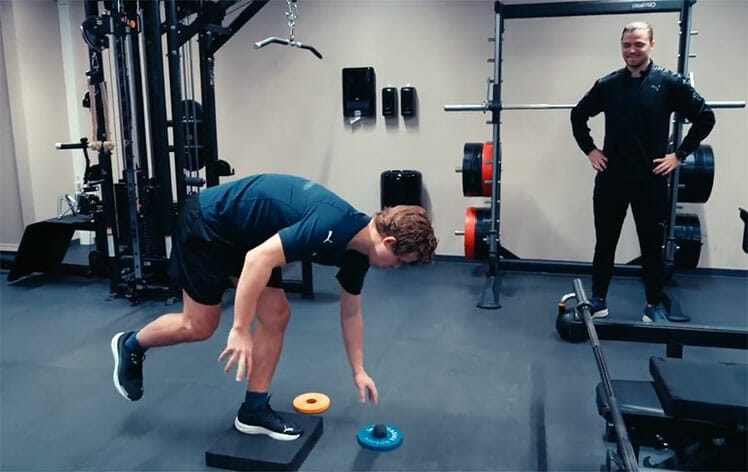
He overhauled his lifestyle by optimizing his diet, increasing physical training, prioritizing sleep recovery, and incorporating intentional mental breaks to reset his processing focus during intense stretches.
These targeted adjustments allowed him to sustain deep focus over hours of sitting, helping him to continue dominating the chess world in the years that followed.
For an IT professional managing complex code, network emergencies, or deep data analysis, the takeaway is identical: your mind cannot operate at full capacity if your body is actively breaking down.
Case Study: Applying the Pillars
The core finding of our research is clear: for pain-free desk work, a primary focus on exercise and movement—with an ergonomic chair serving as a complementary tool—yields the best results.
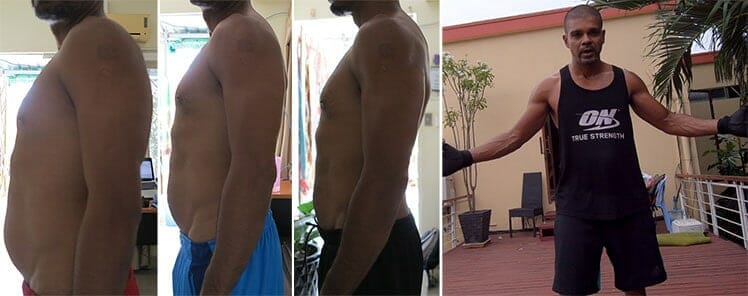
This perfectly mirrors my own trajectory as the publisher and lead tester of ChairsFX. Here is how my approach evolved:
- 2018 (The Theory): My inspiration for starting ChairsFX was the market’s lack of a clear ergonomic definition for consumers. Diving into the Handbook of Human Factors and Ergonomics and its cited research helped me boil it down. The takeaway: ergonomic chairs support neutral postures using a core trio of adjustable components: lumbar support, armrests, and recline.
- 2019–2021 (The Testing): I spent these years testing dozens of chairs against our strict ergonomic guidelines. My general impression settled into a firm reality: most premium models fundamentally do the same thing (support a neutral spine). This meant that a user’s active habits were far more critical than the specific brand of chair they sat in.
- 2022 (The Blind Spot): Despite enjoying pain-free, full-time sitting in a Secretlab Titan Evo, a look at my relaxed side profile revealed a severe forward head tilt. Aiming for a true neutral sitting posture (0° neck alignment and a 25–45° lower back curve), I consulted with esports doctors. One, an Ergonomics Advisor for Secretlab, advised me to set my recline to a crisp 100°, brace my neck at 0° directly against the headrest, and focus on keeping my torso straight. Two other esports doctors issued a critical warning: maintaining a clean neutral posture over long periods is overkill, and requires immense back and core strength. I took the second part of their advice to hit the gym.
- 2026 (The Result): Today, I easily maintain clean neutral postures in that same Titan Evo, and cut my daily sitting time in half with a Magnus Pro standing desk. However, the most drastic improvement to my forward head tilt came directly from the fitness component. Sitting upright in a chair without physical conditioning is what caused the postural collapse in the first place. Adding targeted strength training helped me develop a naturally straight neck, a wide, open chest, and a torso fortified by muscle.
My Optimal Desk Work Routine
Based on my own experience, I suggest a layered approach. Start with a reliable ergonomic chair to support a clean, neutral spine. Add a standing desk to break up your total daily sitting time. Also, take frequent movement breaks—I like to walk around every 20 minutes to recharge both body and mind after a heavy burst of work.
On top of this structural foundation, you add specific physical counter-moves to actively reverse desk damage, even when utilizing a premium ergonomic chair:
- 60-second dead hangs: Decompresses the spine by letting gravity open up compressed intervertebral discs, while instantly stretching out tight shoulders and lat muscles.
- Face pulls: Strengthens the rear deltoids, rhomboids, and deep neck flexors, pulling the shoulder blades back to directly counteract forward head tilt and slouching.
- Deep squats (thighs below parallel): Sit deep using lighter barbell weights, gently pulsing at the very bottom of the movement. This opens up sticky hip joints and provides a deep, restorative stretch to the lower back and glutes.
- Hanging leg raises: Builds the deep core strength required to hold your pelvis and spine steady while sitting. Start with bent knees, gradually working your way up to straight legs as your lower abs adapt.
- Kneeling lunge stretch: Sitting for hours keeps your hip flexors shortened and tight, pulling your pelvis into an anterior tilt that ruins your posture. This stretch opens up the hips and acts as the ultimate antidote to prolonged sitting.
Conclusion: How to Build Immunity to Desk Strain
Across 200 verified U.S. IT workers, the data highlights a clear reality: chronic pain and cognitive fatigue are widespread across both remote and on-site environments, but their true solutions lie in behavioral design rather than premium furniture.
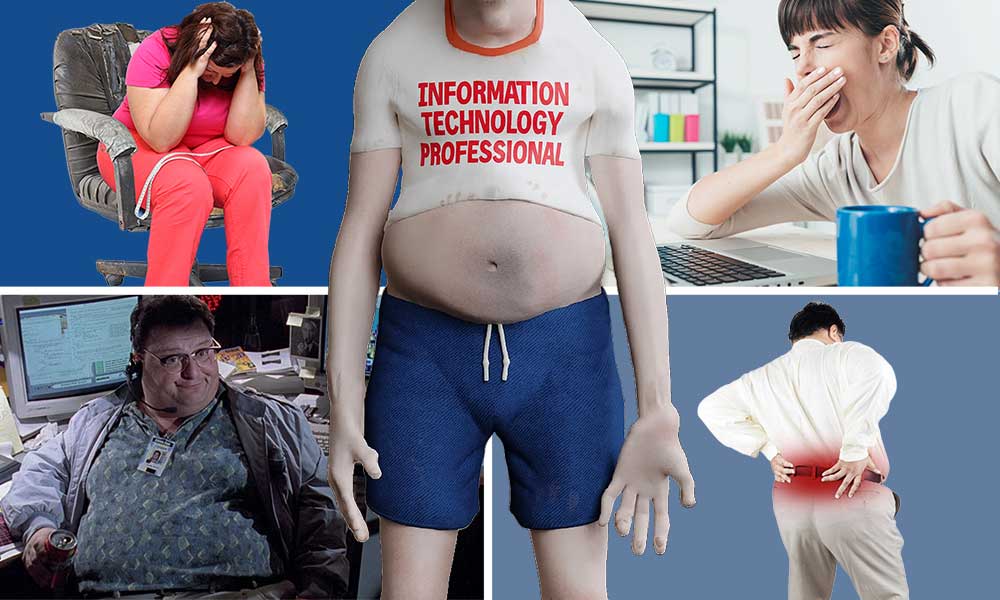
While a well-built ergonomic chair provides a baseline foundation for healthy sitting, it cannot actively create postural health or endurance. Workers who remain completely stationary for hours or lack the physical capacity to resist gravity will inevitably face cognitive fatigue and physical breakdown, regardless of their equipment’s price tag.
For both remote and office-bound workers looking to maximize their daily output, treating yourself like a cognitive athlete is the single highest-yield strategy available.
By shifting focus toward the four core pillars of performance optimization—nutrition, structured recovery, physical conditioning, and psychological balance—you actively expand your physical load capacity.
Building muscular armor outside of work hours and micro-dosing movement breaks throughout the day protects your energy reserves and boosts focus far better than relying on an ergonomic silver bullet. Ultimately, a great chair is a useful tool, but your active daily habits dictate your performance edge.
Footnotes
- Ward, K. ‘Survey Reveals Employee Productivity Averages 2 Hours and 53 Minutes a Day’. Vouchercloud, January 15, 2025. https://www.vouchercloud.com/better-living/office-worker-productivity, (accessed 13 June, 2026).
- Akrur Barua. ‘The tech workforce is expanding—and changing—as different sectors battle for talent’. Deloitte Insights, December 16, 2021. https://www.deloitte.com/us/en/insights/topics/economy/spotlight/tech-workforce-expanding.html, (accessed 13 June, 2026).
- Baker, R., Coenen, P., Howie, E., Williamson, A., Straker, L. ‘The Short Term Musculoskeletal and Cognitive Effects of Prolonged Sitting During Office Computer Work’. International Journal of Environmental Research and Public Health, August 7, 2018. https://doi.org/10.3390/ijerph15081678, (accessed 13 June, 2026).
- Alshaikh, I., Hayden-Smyth, S., Rivkin, W., Stollberger, J., Diestel, S., & Moser, K. ‘Are You in the Zone when Working from Home? How Remote Workers’ Daily Flow Experiences Promote Daily Functioning and Well-Being Through Reduced Work-Home Interruption Behaviors’. Journal of Occupational Health Psychology, 2026. https://doi.org/10.1037/ocp0000429, (accessed 13 June, 2026).
- Rick, V.B., Brandl, C., Mertens, A., Nitsch, V. ‘Work Interruptions of Office Workers: The Influence of the Complexity of Primary Work Tasks on the Perception of Interruptions’. Work, January 12, 2024. https://pmc.ncbi.nlm.nih.gov/articles/PMC10789356/, (accessed 13 June, 2026).
- Iwamoto, H., Nakano, S., Tajima, R., Kiguchi, R., Yoshida, Y., Kitanishi, Y., Aoki, Y. ‘Predicting Workers’ Stress: Application of a High-Performance Algorithm Using Working-Style Characteristics’. JMIR AI, August 2, 2024. https://doi.org/10.2196/55840, (accessed 13 June, 2026).
- Kim, S., Kim, Y., Lim, S.S., Ryoo, J.H., Yoon, J.H. ‘Long Commute Time and Sleep Problems With Gender Difference in Work–Life Balance: A Cross-Sectional Study of More Than 25,000 Workers’. Safety and Health at Work, December 2019;10(4):470-475. https://www.sciencedirect.com/science/article/pii/S2093791119302082, (accessed 13 June, 2026).
- Coyle, P.C., Schrack, J.A., Hicks, G.E. ‘Pain Energy Model of Mobility Limitation in the Older Adult’. Pain Medicine, May 22, 2017;19(8):1559-1569. https://doi.org/10.1093/pm/pnx089, (accessed 13 June, 2026).
- Yamada, K., Adams, H., Ellis, T., Clark, R., Sully, C., Sullivan, M.J.L. ‘The Temporal Relation Between Pain and Fatigue in Individuals Receiving Treatment for Chronic Musculoskeletal Pain’. BMC Musculoskeletal Disorders, March 8, 2022;23:219. https://doi.org/10.1186/s12891-022-05162-7, (accessed 19 June, 2026).
- Castillo-Bellot, I., Peiró, A.M., Zandonai, T. ‘The Effect of Physical Exercise on Non-Oncological Musculoskeletal Chronic Pain and Its Associated Biomarkers: Systematic Review on Randomized Controlled Trials’. Life, September 8, 2025;15(9):1413. https://doi.org/10.3390/life15091413, (accessed 19 June, 2026).
- Channak, S., Klinsophon, T., Janwantanakul, P. ‘The Effects of Chair Intervention on Lower Back Pain, Discomfort and Trunk Muscle Activation in Office Workers: A Systematic Review’. International Journal of Occupational Safety and Ergonomics, September 2022. https://pubmed.ncbi.nlm.nih.gov/33970803/, (accessed 19 June, 2026).
- Cardenas, A.K., Albert, W.J., Léger, M.C., Dion, C., Cardoso, M.R. ‘Effects of Implementing an Active Sitting Protocol Compared to Using a Traditional Office Chair and Standing Workstation’. Applied Ergonomics, 2024. https://www.sciencedirect.com/science/article/pii/S016981412400043X, (accessed 19 June, 2026).
- Di Tang, Xin Zhang, Ray Wai-Keung Ho, Siu Ming Choi, Zheng Ye, Mark J Campbell, and Raymond Kim-wai Sum. ‘Effect of Physical Exercise on Esports Performance in First-Person Shooter Gamers: A Six-Week Randomized Controlled Trial’. Sports Med Open, December 24, 2025. https://pmc.ncbi.nlm.nih.gov/articles/PMC12738490/, (accessed 19 June, 2026).
- X. Yang, et al. ‘Effects of a 10-week exercise intervention on executive function, cerebral blood flow dynamics, and autonomic nervous system regulation in elite esports players’. Sports Med Open, 2025. https://pmc.ncbi.nlm.nih.gov/articles/PMC11944224/, (accessed 19 June, 2026).
- Sangha Lee, Daniel Bonnar, Brandy Roane, Michael Gradisar, Ian C Dunican, Michele Lastella, Gemma Maisey, and Sooyeon Suh. ‘Sleep Characteristics and Mood of Professional Esports Athletes: A Multi-National Study’. Int J Environ Res Public Health, January 14, 2021. https://pmc.ncbi.nlm.nih.gov/articles/PMC7830734/, (accessed 19 June, 2026).
- Daniel Bonnar, Sangha Lee, Brandy M Roane, Daniel J Blum, Michal Kahn, Eunhee Jang, Ian C Dunican, Michael Gradisar, and Sooyeon Suh. ‘Evaluation of a Brief Sleep Intervention Designed to Improve the Sleep, Mood, and Cognitive Performance of Esports Athletes’. Int J Environ Res Public Health, April 2022. https://pmc.ncbi.nlm.nih.gov/articles/PMC8998799/, (accessed 19 June, 2026).
- Nicolas Besombes. ‘Esports And Physical Activity: A Systematic Review’. HAL (Le Centre Pour La Communication Scientifique Directe), 2021. https://www.academia.edu/120595597/Esports_And_Physical_Activity_A_Systematic_Review, (accessed 19 June, 2026).
- G2 Esports. ‘G2 Performance Lab’. G2 Esports, 2026. https://performancelab.g2esports.com/, (accessed 19 June, 2026).
